


The End of Google as We Know It? How Geo is Changing the Way We Search
If you work in technology or have a digital business, you've probably noticed that the rules of the game have changed. For more than two decades, the goal was the same: the first page of Google. But in 2026, with the consolidation of AI-powered searches, clicking the blue link is becoming optional. Seja bem-vindo à era do GEO (Generative Engine Optimization). Se o seu conteúdo não estiver preparado para ser lido e sintetizado por robôs, ele simplesmente deixará de existir para o grande público.
4/17/20262 min read

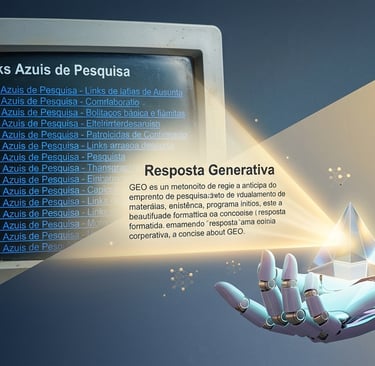
What is GEO, and Why Traditional SEO Is No Longer Enough
Traditional SEO focuses on keywords, domain authority, and backlinks to convince an algorithm to show your link to a human. GEO (Generative Engine Optimization), on the other hand, focuses on optimizing content so it serves as the foundation for answers generated by Artificial Intelligence.
When a user asks, "What is the best automation for technical support?", the AI doesn't just deliver a list of websites; it drafts a recommendation paragraph citing its sources. If your blog isn't one of the sources cited by these "generative engines," you lose the traffic before the user even considers clicking a link.
The key difference is that AI doesn't just look for exact terms; it searches for context, relevance, and structured data that help build a trustworthy response.
Strategies to Get Your Content Cited by Large Language Models
To ensure Melhor Indicação Tech remains a reference point for AI, we must adjust how we write. Here are the tactics currently dominating the GEO landscape:
Direct Citations and Statistical Data: AIs love facts. Including up-to-date statistics and expert quotes makes it easier for the model to categorize you as an authority.
Natural and Direct Language: Answer questions at the very beginning of your text. The "User Question -> Direct Answer -> Detailed Explanation" structure is the gold standard for being captured by AI snippets.
Use of Structured Data (Schema Markup): Help the AI understand exactly what it’s reading. Use technical tags to indicate whether your text is a "Review," a "How-to," or a "News Article."
Sentiment and Opinion Optimization: Unlike old search engines, AIs now look for "consensus" and "expert opinion." Content that offers critical analysis instead of just repeating technical specs has a much higher chance of being featured.
User Experience (UX) in the Era of Zero-Click Searches
The great fear for content creators is the "zero-click search," where the user solves their problem directly on the search results page. How do you survive this? By creating a Destination Experience.
Even if the AI provides a quick answer, your blog must offer what the AI still cannot: the depth of real-world experience. If you are recommending software or a gadget, provide exclusive screenshots, stress tests you performed yourself, and a curated perspective that showcases personality.
UX in 2026 is not just about site speed; it’s about how valuable the visit is after the user has already received the AI summary. The goal is to make the reader think: "The AI told me this product is good, but I’m going to Melhor Indicação Tech to see how it actually works in practice."
Pro Tip: In GEO, the author's authority matters more than ever. Keep your "About" page updated and link your professional social networks so search engines can identify the real expert behind every recommendation.